Ah, menopause – that mysterious phase of life that sneaks up on us like a stealthy ninja, armed with hot flashes and mood swings. But fear not, dear readers! Whether you’re the one experiencing this hormonal rollercoaster or the partner along for the ride, we’re here to shed some light on this transformative journey.
Did you know that in the United States, the average age at which women reach menopause is 52 years? That’s right, it’s like nature’s way of saying, “Congratulations! You’ve leveled up in life!” But don’t worry if you’re an early achiever or a late bloomer – menopause typically occurs between the ages of 45 and 55, giving us all a nice, wide window to look forward to (or through, depending on how you see it).
Now, you might be wondering, “Why should I care about menopause if I’m not the one experiencing it?” Well, dear partner, strap in because this ride affects both of you. Menopause can significantly impact relationships, with some women even considering leaving their jobs due to the severity of their symptoms. It’s like a cosmic test of patience, understanding, and the ability to locate a fan at a moment’s notice. That’s why supporting your partner during menopause is crucial—helping her through this phase will strengthen your relationship and show her she’s not alone.
Welcome to the jungle, my friend! But fear not! This guide is here to help you navigate the highs, the lows, and everything in between. So, grab your partner, a cool drink, and maybe a portable fan as we embark on this wild and wonderful journey through menopause. Together, we’ll prove that love can indeed conquer all – even when it’s accompanied by night sweats and mood swings 
The Basics: What Is Menopause, Exactly?
Menopause is a natural biological process that marks the end of a woman’s menstrual cycle so she can no longer get pregnant. But here’s the kicker: you only know you’ve hit menopause after you’ve gone 12 months without a period. It’s like a really long, hormonal game of hide-and-seek. Hormonal shifts during this time bring about a range of physical and emotional symptoms, and your partner’s experience will be unique. Understanding these symptoms will play a big role in supporting your partner during menopause and showing her you’re there every step of the way.
Symptoms: The Good, The Bad, and The Sweaty
Now, let’s talk about the star of the menopause show: symptoms. The headliner? Hot flashes, of course! These personal heatwaves affect about 75% of women, and for those overachievers out there, about 10% of women may continue to experience these delightful heat waves for up to 12 years after their final menstrual period. Hot flashes are often one of the most disruptive symptoms, making supporting your partner during menopause even more essential.
But wait, there’s more!
- Mood Swings: Emotional roller coasters that rival the plot twists in your favorite thriller.
- Sleep Disturbances: Insomnia or waking up drenched in sweat (often called night sweats).
- Nausea: A lesser talked about symptoms which comes up quite often in menopause
- Loss of bladder control: Sneeze at your own risk.
- Joint and muscle aches: Because who doesn’t want to feel 90 at 50?
- Changes in libido: Sometimes up, sometimes down, always unpredictable.
- Memory Lapses: “Where did I put my keys?” may become a frequent refrain.
How to Be the Ultimate Supportive Partner During Menopause
1. Educate Yourself
Start by learning about menopause so you can better understand what your partner is experiencing. Read reputable articles, or just visit menopause TikTok if you have no attention span! Knowledge is power, and it shows you care. Educating yourself on these symptoms will make a huge difference in supporting your partner during menopause.
2. Patience is a Virtue
Get ready for a rollercoaster of moods! Remember, this isn’t about you—it’s about their body adapting to hormonal changes. Responding with kindness and understanding can make all the difference. Patience and empathy are key.
3. Channel Your Inner Problem-Solver
Some symptoms come with practical solutions, and nothing says “I’ve got your back” like a thoughtful gesture. Whether it’s a comforting cup of tea or one of these game-changing gifts, show her you’re here to help.
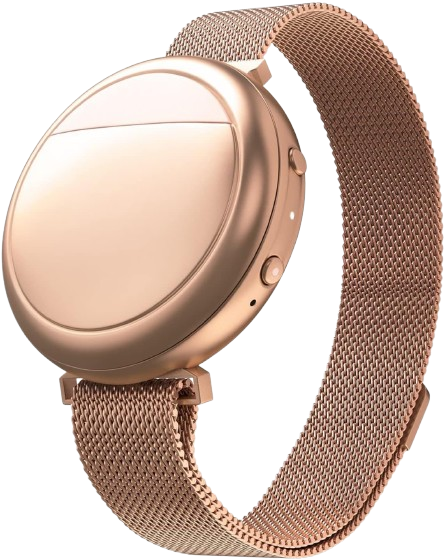
Hot flashes? Forget waving a fan like you’re at a summer picnic—meet the Embr Wave 2, a smart bracelet that helps regulate body temperature with a simple touch.
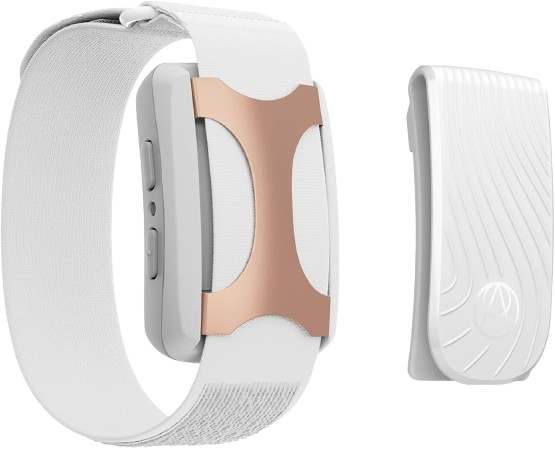
Anxiety creeping in? The Apollo Neuro is here to save the day (and her nights). The vagus nerve stimulator calms the nervous system and promote relaxation.
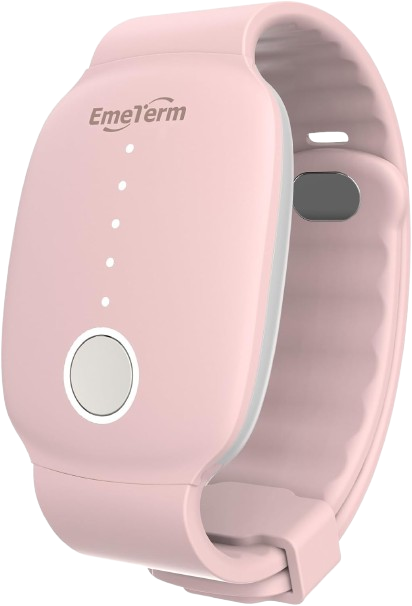
Feeling queasy? Say goodbye to nausea with the EmeTerm, a wearable device that uses gentle electrical pulses to ease motion sickness and morning sickness—no meds required!
Looking for more innovative solutions to support menopause? Click here to discover how you can make this journey smoother and more comfortable.
4. Support Their Health
Encourage your partner to eat a balanced diet, exercise regularly, and stay hydrated. These habits can help manage symptoms. Join them for walks or whip up healthy meals together. It’s a fantastic way to bond while being their wellness buddy.
5. Communicate Openly
Open communication is a key component of supporting your partner during menopause. Chat with your partner about how they’re feeling and what they need from you. Be an active listener. Sometimes, all they need is someone to hear them out without jumping in to fix things.
6. Navigating Intimacy Changes
If menopause is shaking up your physical connection, approach the topic with all the sensitivity of a cuddly teddy bear. Ask how you can support them and consider exploring products like lubricants or vaginal moisturizers to keep the spark alive!
What NOT to Do
- Don’t dismiss symptoms as “no big deal” or something to “push through.” These are real feelings!
- Don’t make jokes about menopause that belittle their experience (save the humor for self-deprecation—like how clueless you were before reading this guide!).
- Don’t take mood swings personally. Remember, it’s hormonal. It’s not you; it’s their changing chemistry!
Bonus Points: Thoughtful Gestures
- Surprise them with their favorite snacks or a cozy care package.
- Offer to attend doctor’s appointments if they want company.
- Suggest a “self-care day” for them to unwind and recharge.
Remember, You’re a Team
Menopause isn’t just their journey; it’s a shared experience. By being patient, proactive, and supportive, you can help your partner navigate this transition with love and understanding. And who knows—you might even come out of it stronger together!
Now go forth and be the menopause MVP! (And maybe keep a fan handy—you’ll thank us later)
]]>