
How Timing Your Meals Can Boost Metabolism, Balance Hormones, and Restore Energy After 50
If you’re a woman between 50 and 70, you’ve likely experienced the frustrating changes that come with menopause: unexplained weight gain, energy crashes, hot flashes, and brain fog. What if there was a scientifically-proven approach that could address these issues at their root? Enter intermittent fasting—a powerful tool that goes beyond weight loss to actually recalibrate your metabolism and hormones during this transitional phase.
Unlike restrictive diets that often backfire during menopause, intermittent fasting works with your body’s natural rhythms. Research shows it improves insulin sensitivity, which directly targets one of the main drivers of menopausal weight gain. But the benefits extend far beyond the scale—from reduced inflammation to better sleep and even cognitive improvements.
As highlighted in The Menopause Reset by Dr. Michelle Gordon, intermittent fasting for menopause offers a structured way to navigate this life stage without HRT.
The Science Behind Intermittent Fasting & Menopause
During menopause, estrogen levels can drop by 40-60%, leading to increased insulin resistance and changes in fat storage patterns, as the body becomes more prone to storing fat, particularly around the abdomen. That’s why the belly fat you could once walk off now seems stubborn. At the same time, muscle mass naturally declines about 1% annually after age 50.
How Intermittent Fasting Works With (Not Against) Your Changing Body
1. Hormone Rebalancing
Fasting periods allow insulin levels to normalize, which is crucial since menopausal women are particularly vulnerable to insulin resistance. A 2020 study in Menopause journal found that women practicing intermittent fasting showed 20-30% better insulin sensitivity compared to control groups, allowing their bodies to burn stored fat more efficiently.
2. Autophagy: Your Cellular Clean-Up Crew
The cellular cleansing process called autophagy, which kicks in after 14-16 hours of fasting, helps reduce inflammation linked to joint pain and cognitive issues. Fasting puts your cells into clean-up mode, breaking down damaged cells and reduces inflammation. The result? Less joint pain, clearer thinking, and even healthier-looking skin.
3. Cortisol Control
Menopause increases your sensitivity to stress. Cortisol (the stress hormone) can spike, especially with poor sleep or erratic eating. Properly timed intermittent fasting can help stabilize cortisol rhythms, reducing mood swings, irritability and the intensity of hot flashes and night sweats, resulting in fewer nighttime awakenings. While it might sound miraculous, the cortisol-balancing effects of intermittent fasting are very real – finally giving menopausal women a practical way to dial down the stress response and find some much-needed relief.
The 4 Key Benefits of Intermittent Fasting for Menopausal Women
1. Metabolism Boost
Your metabolism slows about 5% every decade after 50. That means fewer calories are needed—and more are stored. Intermittent fasting works exceptionally well during menopause because it increases the human growth hormone (HGH) by up to 5-fold, counteracting age-related muscle loss. It also enhances fat oxidation by 10-15% according to metabolism studies, and reduces leptin resistance (the “hunger hormone” that becomes less sensitive with age).
2. Visceral Fat Reduction
One of the most significant benefits of intermittent fasting for menopausal women is its ability to target visceral fat – the dangerous abdominal fat that increases heart disease and diabetes risk. Visceral fat responds remarkably well to fasting in menopause: Studies demonstrate a 3-7% reduction in this stubborn fat within just 12 weeks of fasting practice. Many women notice their clothes fitting better before the scale even moves.
Fun fact: A 2022 study in Nature found that postmenopausal women who practiced intermittent fasting lost three times more visceral fat than those who simply reduced calories.
3. Steady Energy & Fewer Mood Swings
Ever feel like you’re crashing by mid-afternoon? That’s unstable blood sugar talking. Intermittent fasting trains your body to rely on fat for energy, keeping your mood and focus stable all day. By training your body to use fat for fuel (ketosis), intermittent fasting helps eliminate afternoon energy crashes, reduce sugar cravings that exacerbate mood swings and provide more consistent energy throughout the day. No more reaching for coffee or chocolate at 3 PM just to stay upright.
4. Brain Fog Lift
Forgetfulness, difficulty concentrating, and that “why-did-I-walk-into-this-room” feeling? That’s inflammation and hormone fluctuation. By reducing inflammatory markers, intermittent fasting sharpens cognition, combatting the brain fog that plagues so many menopausal women. Intermittent fasting also increases BDNF (a crucial brain protein) by 50-400% while potentially lowering Alzheimer’s risk factors.
Implementing Intermittent Fasting Safely After 50
Choosing Your Fasting Window
Start slow. A 12:12 fast (12 hours eating, 12 hours fasting) is a gentle intro that aligns with your body’s circadian rhythm, aligning your eating with daylight hours. Once comfortable, move to a 14:10 schedule. Avoid extreme 18+ hour fasts—they may spike cortisol, especially in women over 50.
- 12:12 Method: 12-hour fast (e.g., 9 PM to 9 AM)
- 14:10 Method: 14-hour fast (e.g., 7 PM to 9 AM)
- 16:8 Method: More advanced, with an eating window from 10 AM to 6 PM
What to Eat During Eating Windows
It’s crucial to break your fast with nutrient-dense meals containing at least 30 grams of quality protein to preserve muscle mass, along with healthy fats and fiber-rich carbohydrates.
Prioritize these menopause-friendly foods to stabilize blood sugar and keep hormones humming.
- Quality Proteins: Eggs, salmon, grass-fed meats (30g per meal minimum)
- Healthy Fats: Avocados, olive oil, nuts/seeds
- Fiber-Rich Veggies: Crucial for gut and estrogen balance
Hydration & Electrolytes
Staying properly hydrated and adding electrolytes to your diet becomes especially important during menopause to combat dryness and support the fasting process. Combat menopausal dryness and support fasting with:
- Stay Hydrated: Consume 2-3 liters of water daily
- Incorporate Electrolytes: Drink water with a pinch of Himalayan salt
- Herbal teas: Peppermint or rooibos can curb hunger and calm the nervous system
Exercise Synergy
For maximum benefits, combine intermittent fasting with:
- Resistance training: 3 times per week to preserve lean muscle and bone density
- Walking: Enhances metabolic benefits and fat burning
- Yoga: Bonus – it also decreases cortisol, reducing sensitivity to stress.
Caution
Skip intermittent fasting if you’re recovering from adrenal fatigue, experience significant fatigue already, or have a history of disordered eating. Always consult a medical professional before making dietary changes.
Troubleshooting Common Challenges
“I Get Hungry at Night!”
Increased nighttime hunger can often be resolved by ensuring adequate protein and calorie intake at dinner and drinking calming herbal teas, such as chamomile tea with cinnamon.
“My Hot Flashes Increase When Fasting”
If hot flashes seem to worsen when fasting, this may indicate the need for a shorter fasting window or attention to electrolyte balance by adding magnesium to your diet. Try to substitute excess caffeine with herbal teas.
“I’m Not Losing Weight”
For those not seeing weight loss results, it’s worth examining whether hidden calories or undereating during feeding windows might be factors. Still not seeing results? It might be time to test your thyroid and hormone levels to rule out hidden metabolic blockers.
Make Intermittent Fasting Work for Your Menopause Journey
Ultimately, intermittent fasting for menopause represents more than just an eating pattern – it’s a powerful tool for taking control of your health during a transformative life stage. It isn’t about deprivation either—it’s about strategic nourishment that honors your changing biology. By giving your body regular breaks from digestion, you create space for healing and rejuvenation exactly when you need it most. For women over 50 looking to thrive rather than just cope through menopause, intermittent fasting offers a scientifically-validated path forward that honors the wisdom of the female body while delivering tangible results. The key is consistency and kindness. Start slow. Track your energy levels, sleep quality, and focus. Not every win shows up on a scale.
At FemmTech Menopause, we empower women with cutting-edge, drug-free solutions designed to ease menopause symptoms, from hot flashes and night sweats to pelvic floor health and sleep support. Explore our expertly curated offering at menopause.femmtech.com
]]>While there’s no universal cure for hot flashes, research shows combining targeted cooling tools with natural remedies for hot flashes can significantly reduce their frequency and intensity. In this guide, we’ll cover the fastest ways to stop a hot flash in its tracks—plus long-term strategies to keep them under control.
Understanding What Causes Hot Flashes
Hot flashes are usually linked to the hormonal ups and downs of menopause—especially when estrogen levels drop. These changes can confuse your hypothalamus (your brain’s built-in thermostat), making it think you’re overheating. Cue the sudden warmth, flushed skin, sweating, and even a racing heart.
Some women also get hit with cold flashes right after, leaving them shivering once the heat passes. And if stress, caffeine, alcohol, or spicy meals are part of your routine? They might crank up the intensity.
While hormone replacement therapy (HRT) can help, many women prefer a natural approach to managing hot flashes—one that doesn’t rely on synthetic hormones or medications.
Instant Cooling Solutions for Hot Flash Relief
When a hot flash strikes, you need relief—fast. These cooling devices are designed to lower your body temperature quickly, helping you regain comfort in seconds.
1. Wearable Cooling Technology: Discreet, On-the-Go Relief
Wearable cooling devices target pulse points where temperature regulation is most effective. Clinical studies show cooling the wrists, neck, or head can interrupt hot flash symptoms within seconds. Today’s wearables are designed with women in menopause in mind—and they’re backed by science.
Top Picks

How it works: This wristband delivers precise cooling waves to thermoreceptors in your wrists.
Why we recommend it: It’s chic, stylish and doubles as a warming band.
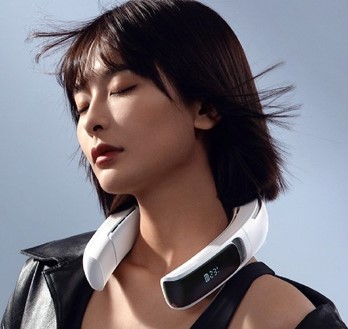
Ranvoo Aice Lite Neck Air Conditioner
Get it for $199
How it works: Uses evaporative cooling technology to lower neck temperature (a key hot flash trigger zone).
Why we recommend it: Lightweight, travel-friendly and feels oh so good.

KülCap Instant Cooling Cap (4 colors)
Get it for $65
How it works: Cools the scalp, where 30% of body heat escapes. Multiple studies have linked head cooling to faster hot flash relief.
Why we recommend it: Feels as cool as it looks, perfect for those warm days out.
2. Bedside & Sleep Solutions: Combat Nighttime Hot Flashes
Hot flashes don’t clock out when you do. Night sweats—hot flashes after-dark—can jolt you awake, drenched and frustrated, leaving you exhausted by morning. But here’s the good news: you’re not powerless. Research shows that bedroom temperature and bedding choices play a huge role in how intense (or how mild) your nighttime hot flashes feel. The key? maintaining a cool sleep environment at every angle by using temperature-regulating sleep tools. These solutions address ambient temperature and direct skin contact—critical factors according to sleep studies.
Top Picks:
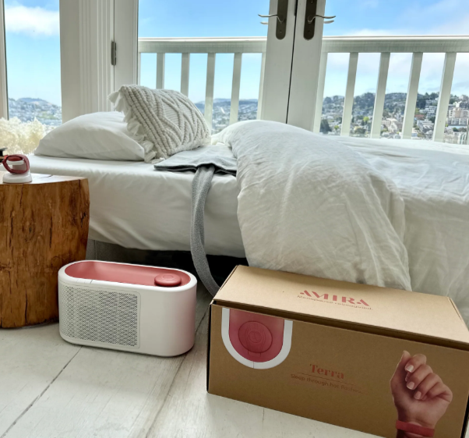
Amira Terra Cooling System
Get it for $499
How it works: Circulates cold water to a mattress pad, reducing the temperature by up to 10o F in seconds.
Why we recommend it: Predicts hot flashes before they come and works to protect uninterrupted sleep.
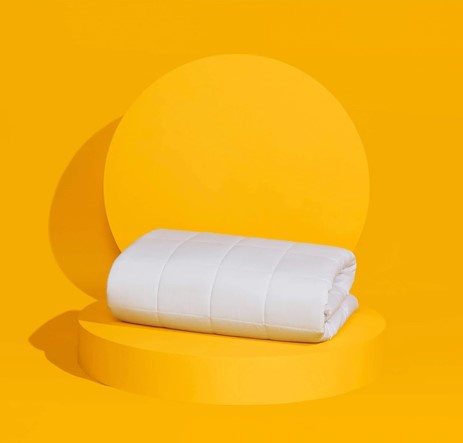
Slumber Cloud Performance Sheet Set
Get it for $169-229(depending on size)
How it works: Outlast® fabric (originally developed for NASA) absorbs and releases heat to maintain optimal temperature.
Why we recommend it: Addresses hot flashes at night without electronics.
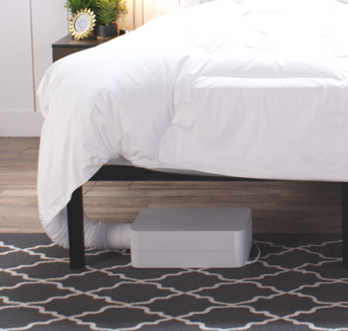
BedJet 3 Bed Climate Control Comfort System
Get it for $552
How it works: Powered ventilation cooling rapidly wicks body heat and moisture out of the bed for cooling relief.
Why we recommend it: Works on any size bed or mattress and is simple and easy to use
3. Discreet Cooling Accessories
For those seeking hot flash relief without drawing attention, these subtle solutions blend seamlessly into daily life. Unlike bulky cooling vests or obvious devices, these accessories provide targeted comfort exactly where hot flash symptoms strike most – without sacrificing style or discretion.
Top Picks:
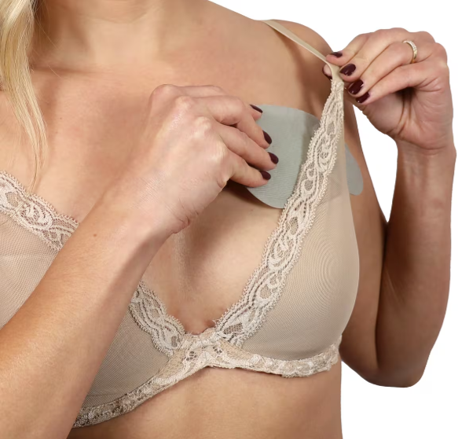
ColdHER Cooling Bra Inserts
Get it for $19
How it works: Slim gel pads use body-activated cooling to lower skin temperature at the core (where most hot flashes originate).
Why we recommend it: Non-toxic, stays cool for 2-3 hours and machine-washable.
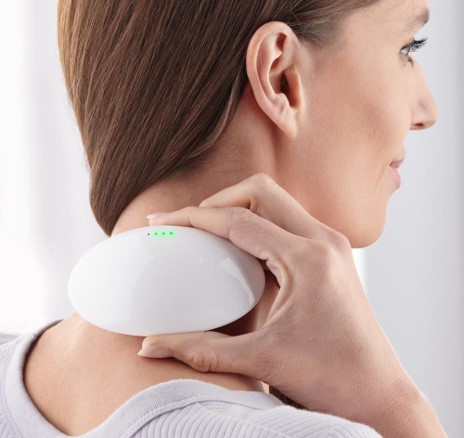
Menopod Cooling Device
Get it for $89.21
How it works: Combines a quiet fan with a ceramic cooling plate, fitting discreetly in a palm or pocket.
Why we recommend it: It has been shown to drop skin temperature by 5°F in 30 seconds.
Other Science-Backed Natural Remedies
If you’re navigating menopause and searching for natural ways to ease hot flashes without hormones or medications, you’re not alone. Many women—myself included—prefer gentle, drug-free approaches that work with our bodies, not against them. The good news? Research supports several effective options, from cooling fabrics to ancient healing techniques. Below, we’ll explore 5 proven strategies, complete with studies and real-world practicality—because relief shouldn’t feel like a science experiment.
1. Dress Smarter: Cooling Fabrics & Layering
The Science: A 2019 Menopause study found that moisture-wicking fabrics (like those used in athletic wear) reduced hot flash severity by keeping skin dry and cool.
My Take: I keep a lightweight, breathable cardigan handy at all times—because when a flash hits, peeling off layers feels almost as good as air conditioning.
2. Breathe Through It: Paced Respiration
The Science: A Harvard study found slow breathing cut hot flash frequency by 49% in 8 weeks.
My Take: Use the 4-7-8 method for 10-15 minutes per day. It sounds too simple, but I’ve used this during Zoom meetings—no one notices, and it stops a flash in its tracks. Need help breathing right? These products can help.
3. Eat (and Drink) Strategically
Skip Triggers: Spicy foods, caffeine, and alcohol are notorious for turning up the heat (Harvard Women’s Health Watch).
Try Soy: A meta-analysis in Menopause (2020) linked 54mg/day of soy —think edamame, tofu, or miso —to 26% fewer hot flashes.
My Take: I swapped my afternoon coffee for iced matcha (less caffeine, no crashes) and noticed fewer flares. Small changes can add up.
4. Herbal Helpers: Black Cohosh & Evening Primrose Oil
The Science: The Mayo Clinic notes black cohosh might ease flashes, but evidence is mixed. Evening primrose oil lacks strong data but remains a cult favorite.
My Take: Herbs aren’t one-size-fits-all—my friend swears by black cohosh, but I found relief with acupuncture instead. Patience is key!
5. Acupuncture: Ancient Meets Evidence-Based
The Science: A 2020 BMJ Open meta-analysis found acupuncture moderately effective, likely by balancing endorphins.
My Take: As someone skeptical of needles, I was shocked by how relaxed I felt after sessions—and my night sweats improved within weeks. If needles aren’t your thing, an acupuncture mat can provide similar pressure-point benefits without the prickling sensation.
The Bottom Line
There’s no universal cure for hot flashes, but that doesn’t mean you have to suffer through them. Whether you’re experiencing occasional hot flashes at night or daily episodes that disrupt your routine, a well-rounded, natural approach can offer meaningful relief.
Scientific studies continue to validate what many women have discovered for themselves: that lifestyle changes, cooling strategies, and targeted tech can work together to reduce both the frequency and severity of hot flash symptoms. It’s not about finding one “miracle” fix—it’s about finding the combination that works for you. Menopause may be inevitable, but suffering through it is not.
At FemmTech Menopause, we empower women with cutting-edge, drug-free solutions designed to ease menopause symptoms, from hot flashes and night sweats to pelvic floor health and sleep support. Explore our expertly curated offering at menopause.femmtech.com
]]>You’re forgetting words mid-sentence, walking into rooms with no idea why… and no amount of sleep helps. But what if your daily habits—not just hormones—are stealthily worsening the fog?
Menopause brain fog during perimenopause, menopause and post-menopausal years is more than just an occasional lapse in memory—it can feel like losing a part of yourself. Studies show that up to 60% of women experience cognitive difficulties during menopause, with many struggling with focus, word recall, and mental clarity. While hormonal shifts play a key role, everyday habits can amplify these symptoms. The good news? These five science-backed solutions can help clear the fog faster than you might think—no prescription required.
Small Adjustments to Your Routine Make a Big Difference
Menopause brain fog can feel like an unavoidable side effect of hormonal changes, but small, intentional adjustments to your daily routine can make a significant difference. The key is understanding that menopause and brain fog isn’t just about estrogen—it’s also influenced by hydration, stress, sleep, posture, and body temperature. By addressing these factors, you’re not just managing symptoms; you’re optimizing your brain function for the long term.
What’s most empowering about these solutions is that they don’t require drastic lifestyle changes. Something as simple as tweaking your breathing pattern, adjusting your evening screen habits, or adding electrolytes to your water can lead to noticeable improvements in focus and memory. And because menopause symptoms—including memory loss during menopause—vary from woman to woman, experimenting with these strategies will help you discover what works best for your body.
The 5 Culprits of Menopause Brain Fog & Quick Fixes
1. Chronic Dehydration
Estrogen decline reduces fluid retention, making dehydration more common. Even mild dehydration—just a 2% fluid loss—can impair concentration, short-term memory, and mood, according to a study published in the Journal of Nutrition (2012).
Why It Matters: Water is essential for brain function. Without proper hydration, the brain has to work harder to perform cognitive tasks, leading to increased fatigue and menopause brain fog.
Fix: “The Electrolyte Slam” – Drink 8 oz of water with a pinch of Himalayan salt and a squeeze of lemon to replenish lost minerals and improve fluid absorption. The salt provides sodium for proper nerve function while the lemon adds potassium – both crucial electrolytes that become depleted during menopause brain fog episodes.
Protip: Keep a bottle by your bed—night sweats dehydrate you while you sleep.
2. Shallow Breathing (Stress Response)
Stress exacerbates menopause symptoms, leading to shallow chest breathing. This reduces oxygen flow to the brain, impairing cognitive function. A study from Harvard Medical School found that deep breathing techniques can significantly lower cortisol levels and enhance focus.
Why It Matters: Menopausal women are more sensitive to stress due to fluctuating hormone levels, making it even more crucial to regulate breathing.
Fix: “4-7-8 Breathing” – Inhale deeply for 4 seconds, hold for 7 seconds, and exhale for 8 seconds. Repeat five times for an instant brain boost.
Protip: Try the Breather or Moonbird breathing device for guided, effective breathwork.
3. Blue Light Overload
Excessive blue light exposure from screens suppresses melatonin production, leading to poor sleep. A 2015 study in PNAS found that evening blue light exposure delays melatonin by 3+ hours—disastrous for menopausal women already struggling with sleep. Poor sleep directly fuels next-day memory loss during menopause.
Why It Matters: Sleep disruptions are a hallmark of perimenopause and menopause. Poor sleep leads to sluggish thinking, forgetfulness, and irritability the next day.
Fix: “Sunset Screen Shift” – Enable night mode on devices two hours before bed and spend at least five minutes winding down without screens.
Protip: For optimal results against menopause brain fog, try the the Luminette 3 Light Therapy Glasses can help regulate your circadian rhythm and improve sleep quality.
4. Poor Posture
A 2014 study in Biofeedback revealed that slouching reduces lung capacity by 20%, starving your brain of oxygen. Menopause symptoms like muscle loss make posture worse over time.
Why It Matters: Poor posture contributes to fatigue and cognitive sluggishness, making memory loss during menopause even more noticeable.
Fix: “Posture Reset” – Stand against a wall with your head, shoulders, and hips aligned. Take three deep breaths while maintaining this posture to realign your spine and increase oxygen intake.
Protip: The Upright GO 2 Premium Posture Corrector Trainer & Tracker can help reinforce good posture habits.
5. Temperature Dysregulation
Hot flashes and night sweats—common in menopause —disrupt sleep, leading to impaired cognitive function and further exacerbate menopause brain fog. The National Institutes of Health (NIH) found that fragmented sleep reduces memory retention and focus.
Why It Matters: Without restorative sleep, the brain struggles to consolidate memories and process information efficiently.
Fix: “Wrist Chill Trick” – Run cold water over your pulse points for 30 seconds to lower core body temperature and induce a cooling effect.
Protip: The Embr Wave 2 can provide instant relief from temperature fluctuations.
The Menopause Connection
Why These Solutions Are Especially Effective Now:
The hormonal fluctuations of ageing, coupled with menopause brain fog, create a perfect storm where everyday challenges become amplified. As estrogen levels decline, your body becomes more vulnerable to dehydration, stress responses become more intense, and sleep disruptions worsen—all of which directly impact cognitive function. For post-menopausal women, the body’s natural thermostat often malfunctions, making temperature regulation strategies particularly valuable.
What makes these solutions so powerful is how they address the specific physiological changes occurring during perimenopause and beyond. Your brain’s need for optimal oxygen and hydration doesn’t change, but your body’s ability to maintain these fundamentals does. That’s why targeted interventions like deep breathing to maximize oxygenation and electrolyte balancing to combat fluid loss make such a dramatic difference. These aren’t generic wellness tips—they’re precision tools designed to counteract the exact mechanisms behind menopause-related brain fog, helping you regain mental clarity where it matters most.
Consistency is Key
If you’re in the perimenopause or post-menopausal phase, remember that consistency matters. These fixes aren’t one-time quick fixes but habits that build over time. Start with one change—maybe the 4-7-8 breathing technique or the posture reset—and observe how your mental clarity shifts. Many women report feeling sharper within just a few days of implementing even one of these adjustments.
The bottom line? You don’t have to accept menopause brain fog as your new normal. With the right tools—backed by science and tailored to your needs—you can reclaim mental clarity and feel more like yourself again. Ready to take the next step? Pick one solution from this list, try it today, and see how your mind responds. Your sharper, more focused future starts now.
]]>
Understanding Menopause Insomnia – Why Sleep Becomes a Struggle
If you’re in your 50s or 60s and finding yourself staring at the ceiling at 3 a.m., you’re not alone. Menopause insomnia affects thousands of women, disrupting sleep and leaving you exhausted the next day. From night sweats to increased anxiety, the reasons behind menopause sleep problems are complex but not unsolvable.
As someone who has personally wrestled with perimenopause insomnia—I know how frustrating it can be. The good news? Science and technology have come a long way, offering practical solutions that don’t involve sleeping pills or complicated routines. Below, we’ll walk you through some of the best sleep devices designed specifically to help women going through menopause and sleeplessness.
Why Does Menopause Insomnia Happen?
Menopause and insomnia go hand in hand due to hormonal shifts, particularly a drop in estrogen and progesterone—two hormones that regulate sleep. When these levels decline, the body struggles to regulate temperature, leading to night sweats that jolt you awake.
Beyond the physical symptoms, stress and anxiety can also keep your brain buzzing long after bedtime. This is why many women experience perimenopause symptoms like difficulty falling asleep, frequent awakenings, or waking up too early and being unable to doze off again.
Common Menopause Sleep Problems Include:
- Waking up drenched in sweat from a hot flash.
- Restless sleep—feeling like you’re never fully resting.
- Anxiety-driven insomnia, where racing thoughts keep you awake.
- Postmenopausal sleep problems, where sleep continues to be elusive even after menopause is over.
The key to better sleep? Finding the right tools to calm your body and mind.
The Best Devices for Menopause and Insomnia Relief
1. Amira Terra Cooling Solution | Cooling Technology for Night Sweats
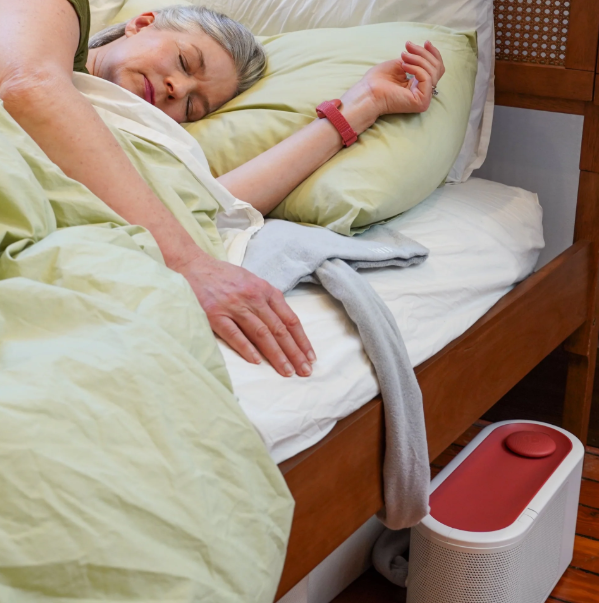
Buy it for
If night sweats are the culprit behind your menopause sleep problems, a cooling sleep system like Amira Terra can be a game-changer. A wearable wrist sensor detects when a hot flash is coming and automatically activates the cooling function, ensuring you stay comfortable. This temperature-regulating mattress pad works by absorbing and redistributing body heat, preventing sudden temperature spikes that wake you up in the middle of the night.
Why It Works:
- Prevents overheating by keeping the bed cool all night.
- No need for ice packs or fans—it works automatically.
- Ideal for menopause insomnia caused by fluctuating body temperature.
Pro Tip: While this high-tech solution is effective, it comes at a premium price of $499 (down from $699). If you struggle with severe night sweats, though, it may be well worth the investment.
2. Embr Wave 2 | A Wearable Cooling & Warming Device
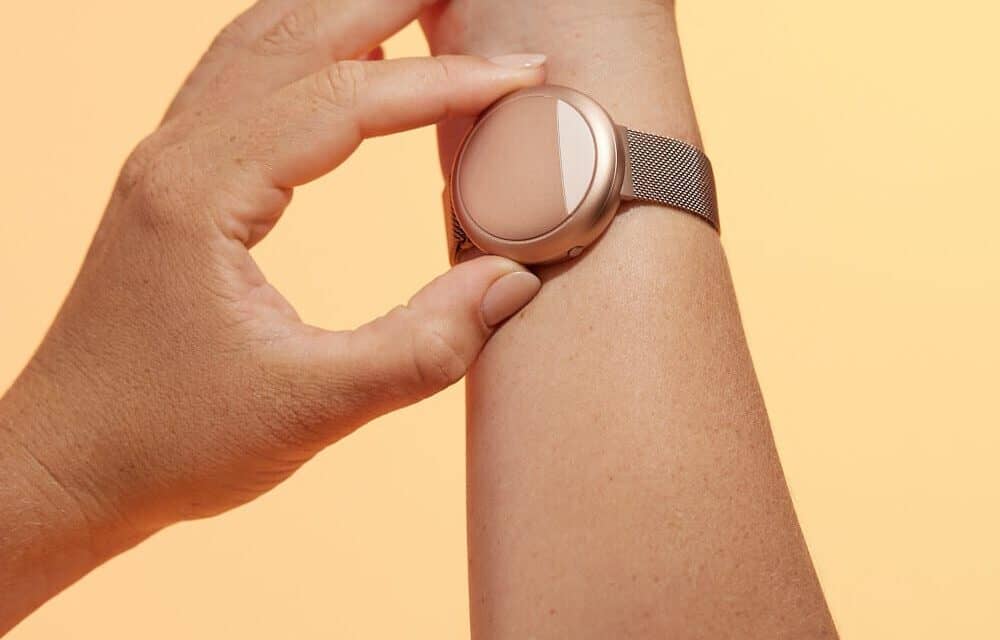
Looking for a lower-priced, full-day solution? Enter Embr Wave 2—a discreet wristband that delivers cooling sensations directly to your skin. Studies have shown that temperature perception plays a huge role in sleep quality, making this device perfect for managing sleep problems during menopause.
Why It Works:
- Cools you down instantly during a night sweat episode.
- Helps regulate body temperature without disrupting sleep.
- Doubles as a warming device—great for those who get cold in the winter.
- Portable—great for travel or wearing at work
Pro Tip: Adjust the intensity settings based on your personal comfort level. Some users find that using it before bed helps prevent overheating in the first place.
3. The HoomBand | Relax Your Mind with Guided Meditation
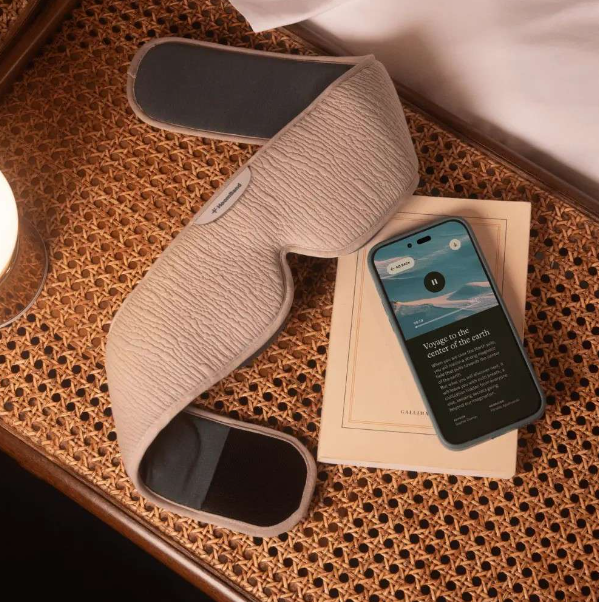
Many women experiencing menopause and sleeplessness find that stress and anxiety keep them awake. The HoomBand is a comfortable sleep headband designed for guided meditation and sleep hypnosis, making it a fantastic option if your menopause insomnia is stress-related.
Why It Works:
- Calms racing thoughts with guided audio programs.
- Helps transition into deep sleep faster.
- Perfect for menopause and perimenopause symptoms like heightened anxiety.
Personal Note: I was skeptical at first, but this device has worked wonders for me. Instead of lying awake worrying about tomorrow’s to-do list, I let the meditation guide me into relaxation. Game-changer!
4. Apollo Neuro | A Wearable That Reduces Stress for Better Sleep
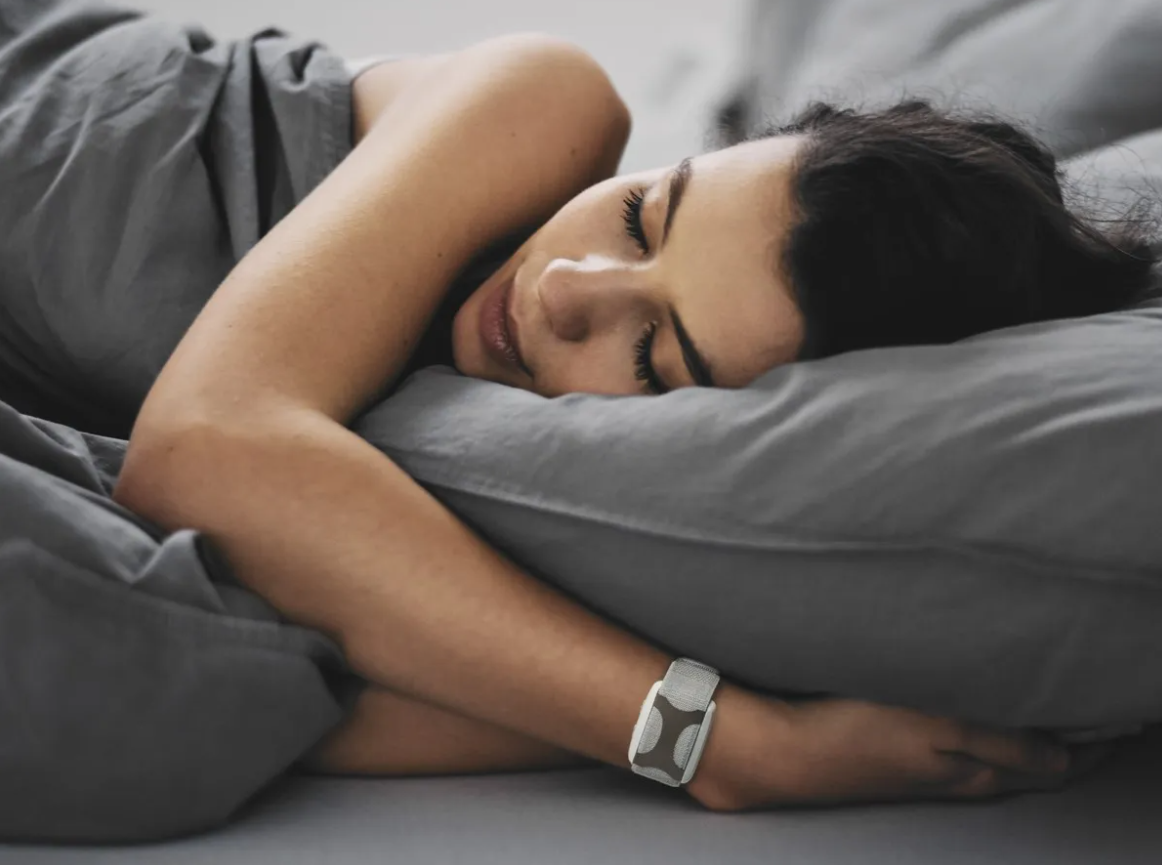
Stress is a major contributor to menopause sleep problems, and the Apollo Neuro device tackles this by using gentle vibrations to activate your parasympathetic nervous system (aka your body’s “calm mode”).
Why It Works:
- Reduces stress and anxiety that keep you up at night.
- Scientifically designed to improve sleep quality.
- Easy to wear on the wrist or ankle.
Pro Tip: Use Apollo Neuro during the day as well—it can help with focus and relaxation, making it a great all-around wellness tool.
5. N.O.W. Tone Therapy by Solhttps://menopause.femmtech.com/product/solu-emotional-regulation-balance/u | Sound Therapy for Deep Relaxation
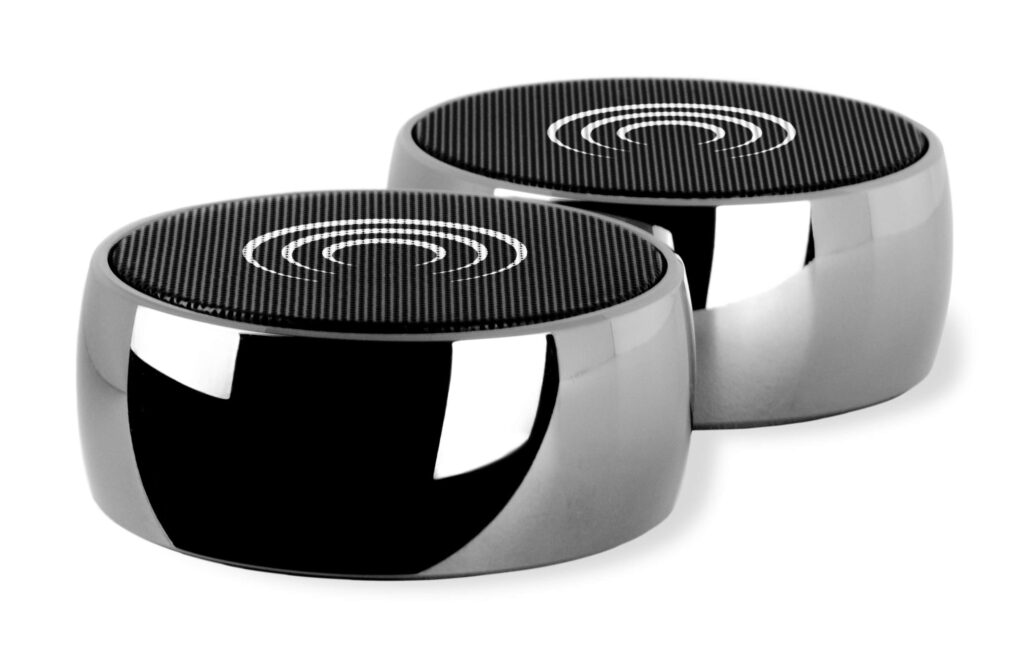
Noise sensitivity often increases during menopause and perimenopause, making even small disturbances unbearable. The N.O.W. Tone Therapy System is a sound-based relaxation tool that plays short, meditative tones to calm the nervous system and encourage restful sleep.
Why It Works:
- Promotes deep relaxation in just 3 minutes
- Helps quiet racing thoughts before bed.
- Great for postmenopausal sleep problems where overall sleep quality is reduced.
Pro Tip: Use the N.O.W. Tone Therapy sessions right before bed as part of your wind-down routine to signal to your brain that it’s time to sleep.
Choosing the Right Device for Your Needs
With so many options, how do you pick the right sleep solution? Ask yourself:
- Is my biggest issue temperature regulation? → Try Amira Terra or Embr Wave 2.
- Do I struggle with anxiety-driven insomnia? → HoomBand or Apollo Neuro can help.
- Am I easily disturbed by noise? → The N.O.W. Tone Therapy System may be your best bet.
Final Thoughts: Finding Sleep Solutions That Work for You
Navigating menopause and insomnia is frustrating, but the right tools and techniques can make a world of difference. Whether it’s cooling down your bed, calming your mind, or blocking disruptive sounds, technology offers science-backed solutions to help you reclaim restful nights.
Always Remember: Every woman’s experience is unique. What works for one person might not work for another, so don’t be afraid to experiment.
]]>The Limitations of Kegel Exercises
Effective Pelvic Floor Workout Exercises Beyond Kegels for Strength and Stability
Deep squats are excellent for engaging the pelvic floor while also working the glutes, hips, and core. They help strengthen the lower body while supporting pelvic floor activation. To perform a deep squat, stand with your feet slightly wider than hip-width apart, lower yourself into a squat position, and ensure you’re lifting your pelvic floor muscles as you rise. Aim for 2–3 sets of 10–15 reps per day for a balanced combination of strength and flexibility.
2. Glute Bridge (Bridge Pose)
This exercise strengthens the glutes and supports the pelvic floor muscles. Lie on your back, bend your knees, and lift your hips while engaging your core and pelvic floor. Hold the position for a couple of seconds before lowering. For best results, perform 2–3 sets of 10–12 reps daily to enhance stability in your lower body.
3. Happy Baby Pose
This relaxing yoga pose helps stretch and release tension in the pelvic floor. Lie on your back, grab your feet or ankles, and gently rock side to side. Hold the pose for 30–60 seconds and repeat 2–3 times to balance strengthening exercises and promote flexibility in your pelvic floor workout.
4. Bird Dog Exercise
The Bird Dog exercise improves core stability while engaging the pelvic floor muscles. It’s particularly effective for building awareness of how to activate the pelvic floor while stabilizing the spine, making it a valuable addition to your pelvic floor workout routine. Start on all fours, extend one arm and the opposite leg simultaneously, engage your core and pelvic floor as you hold the position for 5-10 seconds. Alternate sides for 2 sets of 8–10 reps per side to strengthen the connection between your core and pelvic muscles.
5. Diaphragmatic Breathing
Deep belly breathing isn’t just relaxing—it’s also a key way to connect with your pelvic floor through your diaphragm. Incorporating diaphragmatic breathing into your pelvic floor workout helps promote relaxation and proper muscle coordination. To do this, take slow, deep breaths, ensuring that your belly expands fully. Practice 10–15 deep breaths in a quiet space, 1–2 times daily, to enhance muscle coordination and relaxation.
Tips for Creating a Balanced Pelvic Floor Workout Routine
To maximize the benefits of your pelvic floor workout, it’s important to maintain a balance between strength-building and relaxation exercises. Overworking the pelvic floor muscles can lead to further tension, so incorporating a mix of stretching, strengthening, and breathing exercises is key. Consider working with a pelvic health professional if you’re unsure which exercises are best suited to your needs. A well-rounded pelvic floor workout—including deep squats, glute bridges, and bird dogs—offers a balanced approach to pelvic health. By incorporating these exercises, you can strengthen your pelvic floor muscles, reduce discomfort, and improve overall well-being
Looking to enhance your pelvic floor workout with effective tools? Check out our curated selection of pelvic health products designed to support your journey toward a stronger, healthier pelvic floor.
]]>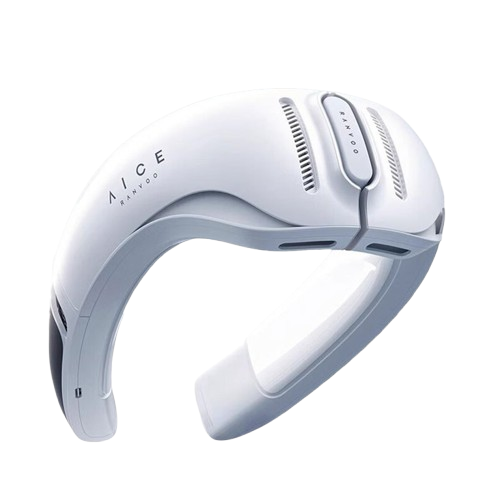
Hot flashes are no joke. If you’re navigating the unpredictable waves of perimenopause, menopause or hyperhidrosis, you know how quickly the heat can strike—leaving you sweating, flushed, and anxious for relief. Unlike the conventional neck air conditioner that relies solely on fans to blow air around, we focused on devices that integrate cold plates with advanced cooling technology for more effective, targeted relief. While these devices can be more expensive (this one is currently priced at $179 on sale, down from $199), I prioritized effectiveness over price, knowing that a reliable solution would be worth the investment when dealing with sudden, intense heat.
During my research, two top contenders emerged as the most effective options: the Torras Coolify 2S and the RANVOO AICE LITE Neck Air Conditioner. I’m a stickler for details and after a thorough comparison, I ultimately opted for the AICE LITE. While both are highly rated at exactly 4.0/5, and have several features in common, including their price range, the AICE LITE stood out thanks to its market-beating cooling coverage area of 15,020 mm³ (compared to 8,000 mm2) a center hinge design for added comfort, and user feedback indicating better outdoor performance. Given that I live in Arizona, where the heat can be brutal, this outdoor performance was a key deciding factor.
Here’s why the RANVOO AICE LITE Neck Air Conditioner might just be the perfect tool to manage hot flashes, hyperhidrosis, and more.
Hot Flash Relief at the Push of a Button: The RANVOO AICE LITE Neck Air Conditioner
Anyone dealing with hot flashes knows they don’t care about convenience. They hit during the worst moments: mid-conversation, while cooking, or even as you’re trying to fall asleep. That’s where the RANVOO AICE LITE Neck Air Conditioner shines.
With its advanced ICEMAX cooling technology, this portable neck cooler kicks into action almost instantly. Aluminum cooling plates, designed to be 2.6 times more effective than standard materials, send a soothing chill to your neck and key blood vessels. This helps cool your whole body quickly, offering relief just when you need it most.
The AICE LITE isn’t just for hot flashes, though. If you experience hyperhidrosis, its targeted cooling can help you stay dry and comfortable, reducing excess sweat in high-stress or warm environments.
Unlike fans that simply blow air around, the wearable provides targeted cooling that feels refreshing, not overwhelming. Its center-hinge design allows for a better fit and enhanced comfort, making it particularly suitable for long periods of wear. Combined with its expansive cooling area of 15,020 mm³—far superior to similar devices like the Torras Coolify 2S (8,000 mm2)—and its reliability in outdoor conditions, it delivers comprehensive relief during even the most intense hot flashes.
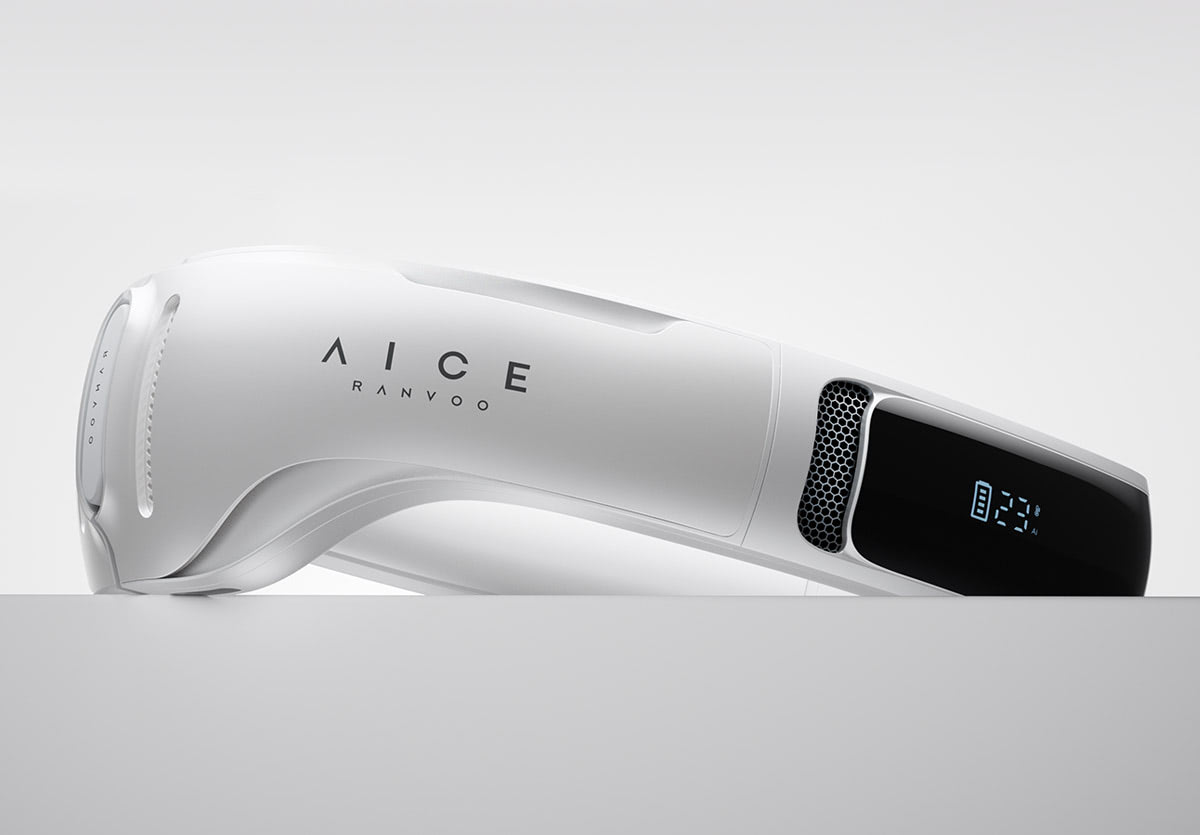
The Neck Air Conditioner That Works for Every Scenario
What sets the RANVOO AICE LITE apart is its versatility. While it’s a lifesaver for managing hot flashes, its features make it useful in countless other situations:
Four Modes for Tailored Comfort
This isn’t just a cooling device. The RANVOO AICE LITE offers Cooling, Heating, Fan, and AI modes, letting you adjust the temperature and airflow based on your needs. Whether you’re trying to cool down from hot flashes or warm up on a chilly day, this neck AC unit has you covered.
It’s Portable and Lightweight
Unlike clunky cooling systems, the AICE LITE is designed to be a portable neck AC unit. It’s lightweight and ergonomic, so you can wear it for hours without discomfort. The center hinge ensures a secure fit for various neck sizes, offering a more comfortable alternative to the spring mechanisms used in most neck ACs to stay secure, which can exert pressure inward.
Customizable via the RANVOO App
The accompanying app lets you fine-tune settings like temperature and wind speed. While there’s a slight learning curve, once you get the hang of it, it offers impressive control.
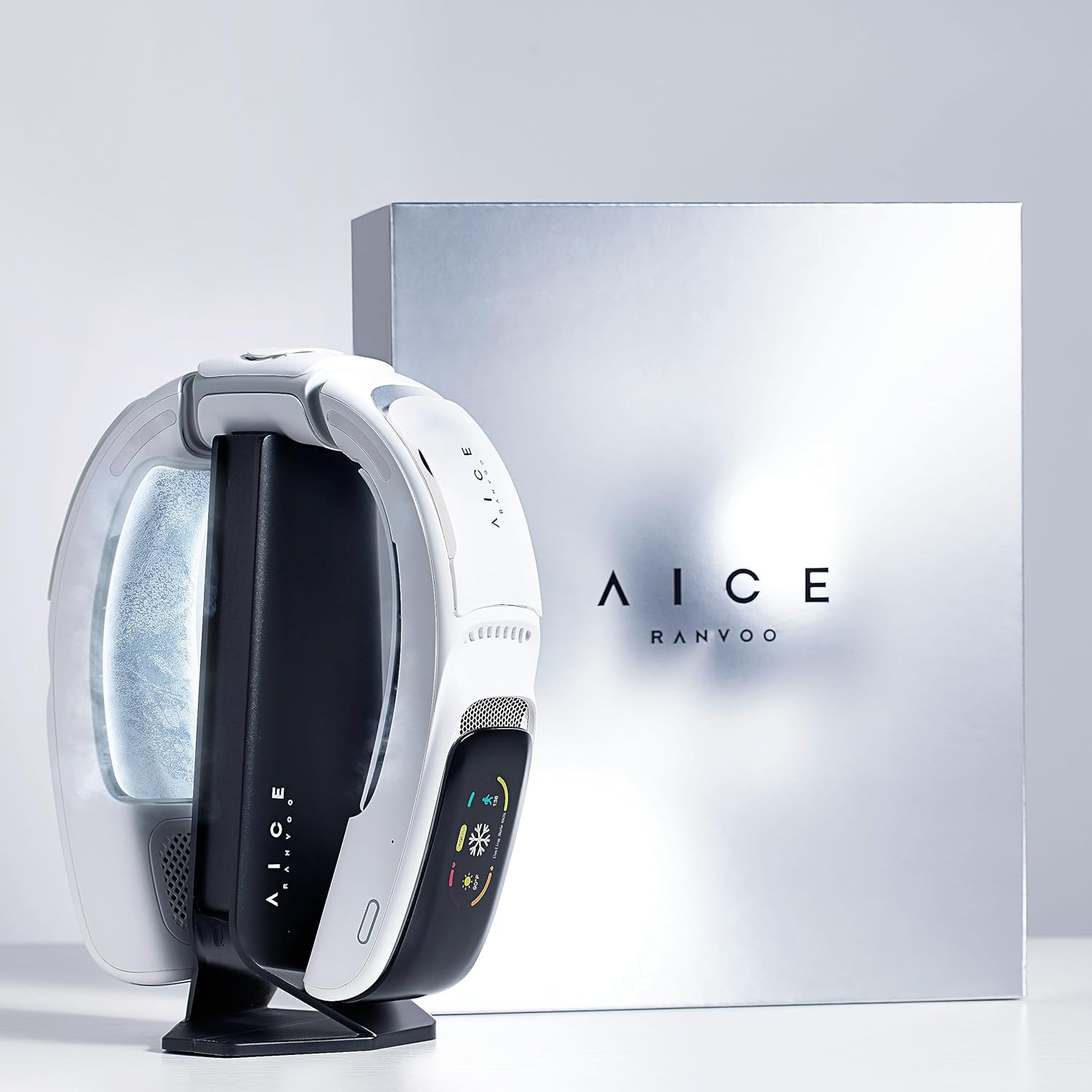
The Essential Neck Air Conditioner for Menopause, Hyperhidrosis, and More
The AICE LITE isn’t just about cooling—it’s about empowering you to take control of your comfort. During perimenopause and menopause, this portable neck cooler can make all the difference in staying calm and composed, even during unexpected heat surges. Similarly, for those with hyperhidrosis, its quick cooling can offer a discreet and effective way to stay sweat-free in hot or stressful situations.
Its utility extends beyond just keeping you cool during summer heatwaves. The AICE LITE is also equipped with a heating mode for winter, making it versatile year-round. While its market-leading cooling area of 15,020 mm³ and ergonomic center hinge make it a solid option for personal comfort, it’s important to manage expectations. Cooling efficiency can drop in extreme heat, so it’s not a replacement for traditional air conditioning during the hottest of days. The app can be a bit tricky to navigate, and the device itself can feel slightly heavy for extended outdoor use. However, when used appropriately, it offers effective relief exactly where you need it.
Battery Life That Keeps Up with Your Day
One of the standout features of this neck air conditioner is its long-lasting battery. Equipped with a 6000mAh battery, it can run anywhere from 3 to 30 hours depending on your settings. Need a quick recharge? It powers up to 80% in just two hours. For those extra-long days, you can even use the device while it’s plugged into a power bank.
Why the RANVOO AICE LITE Neck Air Conditioner Stands Out
Here’s why it’s making waves:
Pros:
- Efficient cooling even in high outdoor temperatures.
- Multi-mode functionality including cooling, heating, and fan modes.
- Long battery life with fast charging capability.
Cons:
- Can be heavy for prolonged use.
- Cooling efficiency may drop in extremely high temperatures.
- Takes a bit of time to fully understand all the features of the app.
Final Thoughts: The Ultimate Wearable for Hot Flash Relief
For anyone navigating the challenges of perimenopause, menopause, or hyperhidrosis, the RANVOO AICE LITE Neck Air Conditioner is more than just a gadget—it’s a lifeline. From managing hot flashes to staying comfortable during summer heat, this personal neck AC unit delivers on its promises.
While it may not replace your AC on a 100-degree day, its portability, efficiency, and versatility make it a must-have for those seeking quick, targeted relief. Whether you’re dealing with sudden heat surges or just want a reliable portable neck cooler for your next outing, the AICE LITE has your back—and your neck.
Verdict: Reliable, effective, and a game-changer for beating the heat, this neck air conditioner delivers comfort when you need it most.
]]>Frozen shoulder might sound like something you’d get from an overly aggressive air conditioner, but for many women experiencing menopause, it’s a real and painful phenomenon. Known medically as adhesive capsulitis, frozen shoulder causes stiffness, pain, and a limited range of motion in the shoulder joint. And here’s the kicker: it can last months or even years. But could there be a link between menopause and frozen shoulder? Let’s dig in.
So what IS frozen shoulder?
To understand frozen shoulder, imagine your shoulder joint surrounded by a capsule of connective tissue. Normally, this capsule is flexible and allows your shoulder to move freely. But when you develop frozen shoulder, the capsule thickens and tightens, restricting movement and causing pain. This condition can develop gradually and may result in significant discomfort and restricted movement. Imagine the frustration of your shoulder feeling like a rusty hinge that refuses to budge.
Frozen Shoulder Symptoms: Menopause’s Little Surprise Gift
Frozen shoulder doesn’t appear overnight. Instead, it unfolds in three distinct stages:
- Freezing Stage: Pain develops and worsens, limiting your shoulder’s movement. This can last 6-9 months.
- Frozen Stage: Pain may ease, but stiffness becomes the main issue, making daily activities challenging. This stage can drag on for 4-12 months.
- Thawing Stage: Gradually, your shoulder’s range of motion improves, though full recovery can take years.
These symptoms make even simple tasks—like putting on a bra or reaching for a mug—feel like Olympic feats. Sound familiar? You might be experiencing frozen shoulder symptoms related to menopause.
So, where does menopause fit into this?
The Link between Menopause and Frozen Shoulder: When Hormones and Joints Collide
The hormonal rollercoaster of menopause can do more than trigger hot flashes and mood swings. Estrogen, which helps keep joints lubricated and muscles supple, drops significantly during menopause. This decline can lead to inflammation and stiffness—a perfect storm for developing frozen shoulder.
Interestingly, menopause and frozen shoulder are often linked because frozen shoulder is more common in women aged 40 to 60, which overlaps with the typical menopausal years. Coincidence? We think not. If you’re feeling like your body’s got a vendetta, know that you’re not alone—and relief is possible.
Let’s talk about what you can do.
Practical Relief for Menopause and Frozen Shoulder
While frozen shoulder can be frustratingly stubborn, there are steps you can take to ease the discomfort. Here’s what works:
1. Stretch and Strengthen
Gentle stretching exercises can help maintain range of motion and reduce stiffness. Try pendulum swings or doorway stretches—just don’t push too hard.
2. Heat and Cold Therapy
Applying a heating pad or ice pack can alleviate pain and reduce inflammation. Alternate between heat and cold to see what works best for you.
3. Over-the-Counter Pain Relief
Nonsteroidal anti-inflammatory drugs (NSAIDs) like ibuprofen can reduce pain and swelling. Always consult your doctor first.
4. Professional Help
Physical therapy can be a game-changer. Therapists can guide you through exercises tailored to your condition.
5. Home Gadgets That Help
If you’re a fan of practical solutions, these four products can complement your treatment plan:
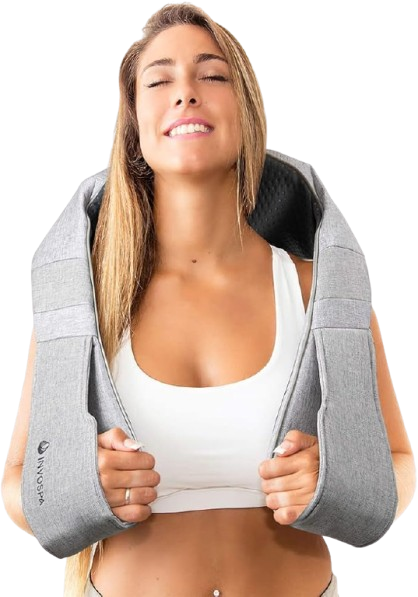
InvoSpa | Shiatsu Neck & Shoulder Massager
Amazon rating
Pamper yourself with a deep tissue kneading pillow that combines heat therapy and massage, helping to loosen tight muscles and alleviate stress
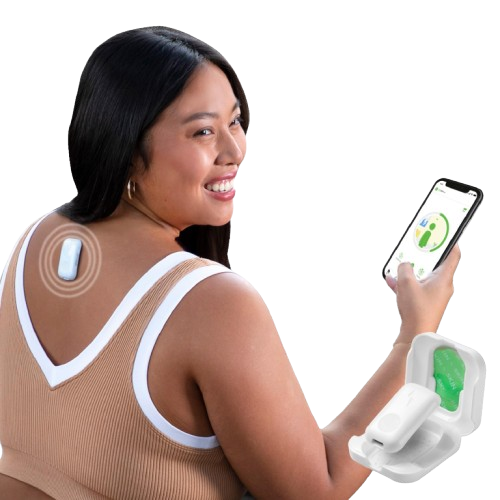
Upright GO 2 | Premium Posture Corrector
Amazon rating
Incorporating a posture corrector into your routine can be a game-changer by gently pulling your shoulders back and promoting proper alignment
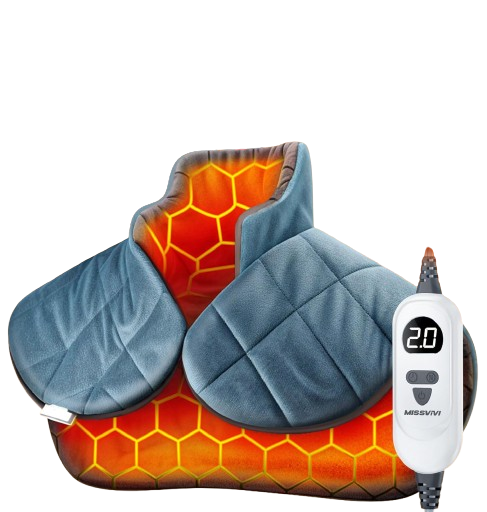
iDOO | Graphene-Infused Heating Pad
Amazon rating
Sink into comfort with the Graphene-Infused Weighted Heating Pad, designed to melt away tension with its soothing heat and gentle weighted pressure.
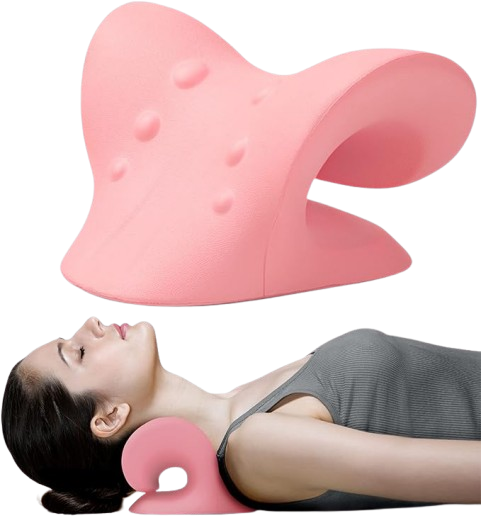
RESTCLOUD | Neck and Shoulder Relaxer
Amazon rating
Rediscover relief with the RESTCLOUD Neck and Shoulder Relaxer—an easy-to-use tool that provides instant neck and shoulder support, easing stiffness
Looking for more innovative solutions to support menopause? Click here to discover how you can make this journey smoother and more comfortable.
Preventative Tips for Menopause and Frozen Shoulder: Keep Calm and Keep Moving
While some factors—like hormonal changes—are beyond your control, you can take steps to lower your risk:
Manage Stress: High stress levels can exacerbate inflammation, so incorporate relaxation techniques into your routine.
Stay Active: Regular movement keeps your joints and muscles in good shape.
Prioritize Posture: Poor posture can strain your shoulders and neck, so stand tall.
When to See A Doctor
If shoulder pain persists or worsens despite your best efforts, it’s time to consult a doctor. In some cases, steroid injections or even surgery may be necessary to resolve the issue. While this isn’t the first course of action, it’s good to know that solutions are available.
Embrace the Journey
Frozen shoulder is a little-known yet significant symptom of menopause that can impact daily life, but armed with the right knowledge and tools, you can tackle this discomfort head-on. Remember, your shoulder isn’t frozen forever, and whether it’s through physical therapy, topical treatments, or mindfulness practices, you have the power to manage this condition. So, next time you find yourself reaching for that top shelf, don’t let frozen shoulder hold you back. With the right approach you can conquer this symptom and embrace the new chapter of life with new confidence!
]]>Ah, menopause – that mysterious phase of life that sneaks up on us like a stealthy ninja, armed with hot flashes and mood swings. But fear not, dear readers! Whether you’re the one experiencing this hormonal rollercoaster or the partner along for the ride, we’re here to shed some light on this transformative journey.
Did you know that in the United States, the average age at which women reach menopause is 52 years? That’s right, it’s like nature’s way of saying, “Congratulations! You’ve leveled up in life!” But don’t worry if you’re an early achiever or a late bloomer – menopause typically occurs between the ages of 45 and 55, giving us all a nice, wide window to look forward to (or through, depending on how you see it).
Now, you might be wondering, “Why should I care about menopause if I’m not the one experiencing it?” Well, dear partner, strap in because this ride affects both of you. Menopause can significantly impact relationships, with some women even considering leaving their jobs due to the severity of their symptoms. It’s like a cosmic test of patience, understanding, and the ability to locate a fan at a moment’s notice. That’s why supporting your partner during menopause is crucial—helping her through this phase will strengthen your relationship and show her she’s not alone.
Welcome to the jungle, my friend! But fear not! This guide is here to help you navigate the highs, the lows, and everything in between. So, grab your partner, a cool drink, and maybe a portable fan as we embark on this wild and wonderful journey through menopause. Together, we’ll prove that love can indeed conquer all – even when it’s accompanied by night sweats and mood swings 
The Basics: What Is Menopause, Exactly?
Menopause is a natural biological process that marks the end of a woman’s menstrual cycle so she can no longer get pregnant. But here’s the kicker: you only know you’ve hit menopause after you’ve gone 12 months without a period. It’s like a really long, hormonal game of hide-and-seek. Hormonal shifts during this time bring about a range of physical and emotional symptoms, and your partner’s experience will be unique. Understanding these symptoms will play a big role in supporting your partner during menopause and showing her you’re there every step of the way.
Symptoms: The Good, The Bad, and The Sweaty
Now, let’s talk about the star of the menopause show: symptoms. The headliner? Hot flashes, of course! These personal heatwaves affect about 75% of women, and for those overachievers out there, about 10% of women may continue to experience these delightful heat waves for up to 12 years after their final menstrual period. Hot flashes are often one of the most disruptive symptoms, making supporting your partner during menopause even more essential.
But wait, there’s more!
- Mood Swings: Emotional roller coasters that rival the plot twists in your favorite thriller.
- Sleep Disturbances: Insomnia or waking up drenched in sweat (often called night sweats).
- Nausea: A lesser talked about symptoms which comes up quite often in menopause
- Loss of bladder control: Sneeze at your own risk.
- Joint and muscle aches: Because who doesn’t want to feel 90 at 50?
- Changes in libido: Sometimes up, sometimes down, always unpredictable.
- Memory Lapses: “Where did I put my keys?” may become a frequent refrain.
How to Be the Ultimate Supportive Partner During Menopause
1. Educate Yourself
Start by learning about menopause so you can better understand what your partner is experiencing. Read reputable articles, or just visit menopause TikTok if you have no attention span! Knowledge is power, and it shows you care. Educating yourself on these symptoms will make a huge difference in supporting your partner during menopause.
2. Patience is a Virtue
Get ready for a rollercoaster of moods! Remember, this isn’t about you—it’s about their body adapting to hormonal changes. Responding with kindness and understanding can make all the difference. Patience and empathy are key.
3. Channel Your Inner Problem-Solver
Some symptoms come with practical solutions, and nothing says “I’ve got your back” like a thoughtful gesture. Whether it’s a comforting cup of tea or one of these game-changing gifts, show her you’re here to help.
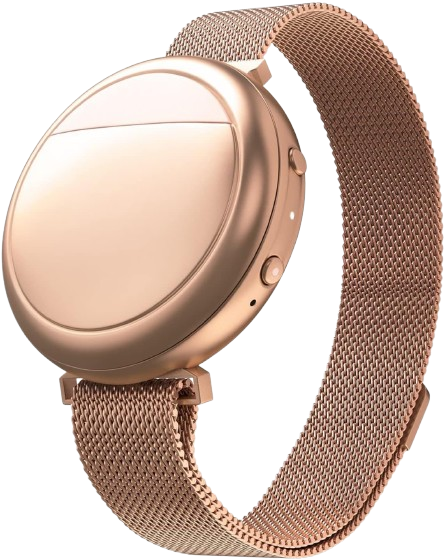
Hot flashes? Forget waving a fan like you’re at a summer picnic—meet the Embr Wave 2, a smart bracelet that helps regulate body temperature with a simple touch.
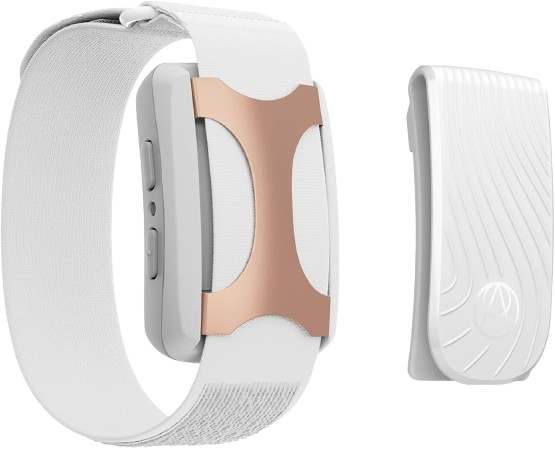
Anxiety creeping in? The Apollo Neuro is here to save the day (and her nights). The vagus nerve stimulator calms the nervous system and promote relaxation.
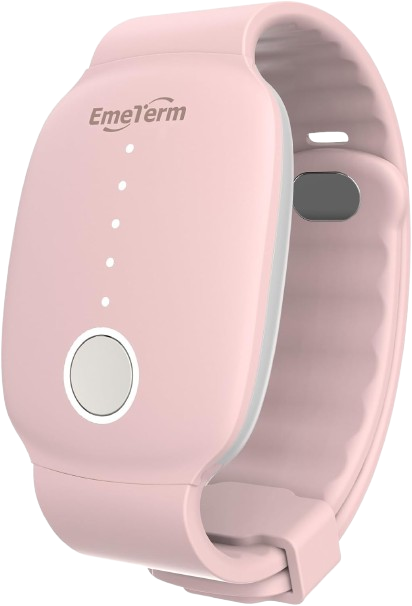
Feeling queasy? Say goodbye to nausea with the EmeTerm, a wearable device that uses gentle electrical pulses to ease motion sickness and morning sickness—no meds required!
Looking for more innovative solutions to support menopause? Click here to discover how you can make this journey smoother and more comfortable.
4. Support Their Health
Encourage your partner to eat a balanced diet, exercise regularly, and stay hydrated. These habits can help manage symptoms. Join them for walks or whip up healthy meals together. It’s a fantastic way to bond while being their wellness buddy.
5. Communicate Openly
Open communication is a key component of supporting your partner during menopause. Chat with your partner about how they’re feeling and what they need from you. Be an active listener. Sometimes, all they need is someone to hear them out without jumping in to fix things.
6. Navigating Intimacy Changes
If menopause is shaking up your physical connection, approach the topic with all the sensitivity of a cuddly teddy bear. Ask how you can support them and consider exploring products like lubricants or vaginal moisturizers to keep the spark alive!
What NOT to Do
- Don’t dismiss symptoms as “no big deal” or something to “push through.” These are real feelings!
- Don’t make jokes about menopause that belittle their experience (save the humor for self-deprecation—like how clueless you were before reading this guide!).
- Don’t take mood swings personally. Remember, it’s hormonal. It’s not you; it’s their changing chemistry!
Bonus Points: Thoughtful Gestures
- Surprise them with their favorite snacks or a cozy care package.
- Offer to attend doctor’s appointments if they want company.
- Suggest a “self-care day” for them to unwind and recharge.
Remember, You’re a Team
Menopause isn’t just their journey; it’s a shared experience. By being patient, proactive, and supportive, you can help your partner navigate this transition with love and understanding. And who knows—you might even come out of it stronger together!
Now go forth and be the menopause MVP! (And maybe keep a fan handy—you’ll thank us later)
]]>Luckily, we’ve done the hard work for you. We researched four popular pelvic floor exercisers: the Joylux vFit Gold Set, the Pelvic Floor Exerciser with App by Perifit, the Clea Pelvic Floor Muscle Trainer Set, and the IntimateRose Vibrating Pelvic Wand. Each of these devices offers unique benefits tailored to various needs and budgets.
In this guide, we’ll break down what makes each product stand out, highlighting their features, pros, and cons, to help you make the best decision for your personal wellness journey. Whether you’re after high-tech gamified tools or beginner-friendly options, there’s something here for everyone. Read on to find the perfect pelvic floor exerciser for you!
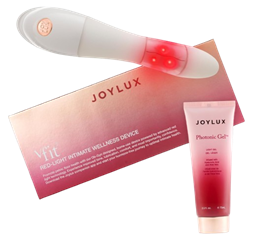
1. Joylux vFit Gold Set | The Ferrari of Pelvic Floor Exercisers
Pros
- Easy to use interface
- Effective for menopausal women
- Improves natural hydration
- Promotes elasticity
- Professional input
- Comes with Photonic Gel
Cons
- High cost
- No specific safety certifications
- Connectivity issues
- Learning curve for setup
- LED lights may fail
Joylux vFit Device and Photonic Gel Set | $400
When it comes to pelvic floor health, the Joylux vFit set stands out for its innovative use of red LED light, heat, and sonic vibration. Designed with menopausal women and new mothers in mind, this pelvic floor exerciser promotes hydration, sensitivity, and overall strength in a straightforward, at-home solution. Its advanced features, including light therapy to improve circulation and collagen production, come at a higher price point, but many women report noticeable improvements in intimate wellness and muscle strength after consistent use. While its intuitive interface makes operation simple, the instructions can be a bit tricky to follow at first—a small hurdle for an otherwise transformative tool. Though the device lacks explicit FDA approval, its design was guided by health professionals to prioritize safety. I found the vFit’s combination of comfort and efficacy worth exploring for anyone seeking to enhance their intimate wellness journey.
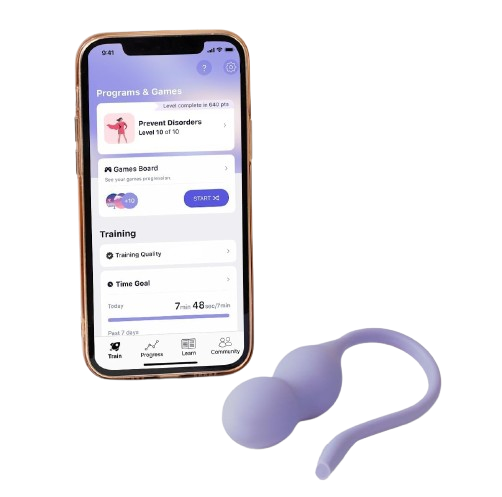
2. Perifit Care+ Pelvic Floor Exerciser | Gamified Pelvic Floor Training
Pros
- Affordable pricing
- Interactive app
- Real-time biofeedback
- Engaging exercises
- App reminders
Cons
- Occasional app bugs
- No specific safety certifications
- Connectivity issues
- Limited safety details
- Physical device maintenance
Perifit Care+ Pelvic Floor Exerciser | $179
The Pelvic Floor Exerciser with App by Perifit brings a playful twist to Kegel exercises with its innovative gamified technology. Designed in collaboration with pelvic floor physical therapists, this at-home pelvic solution connects seamlessly via Bluetooth to a smartphone app, letting users control interactive games with their pelvic floor movements. The app not only makes the process fun but also provides real-time feedback and tailored exercise programs to improve bladder control and pelvic strength. At $149, it’s a more affordable option, making it appealing for those looking to enhance their women’s intimate wellness without breaking the bank. While some users report occasional connectivity issues, the device is lightweight, easy to clean, and praised for its simplicity and motivation-boosting approach. If you’ve struggled to stay consistent with traditional pelvic floor exercises, Perifit might just be the engaging solution you need!
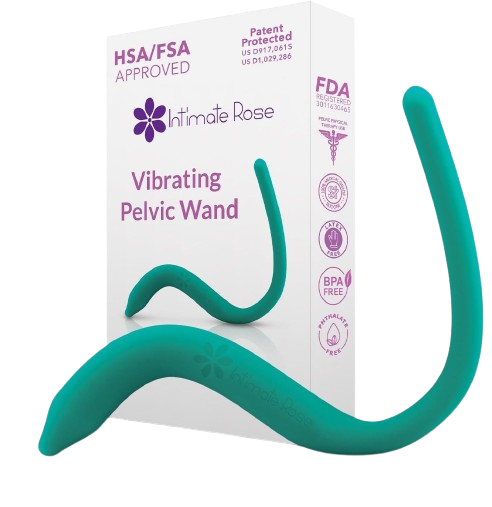
3. IntimateRose Vibrating Pelvic Wand | Pelvic Floor Exercisers with Targeted Relief
Pros
- Targeted muscle relief
- Designed by a therapist
- Ten vibration modes
- Includes helpful resources
- High user engagement
Cons
- Issues with vibration function
- Charging system problems
- Requires precise application
- Higher effort to use
- No specific safety certifications
IntimateRose Vibrating Pelvic Wand | $45.90
The IntimateRose Vibrating Pelvic Wand offers a unique approach to addressing pelvic muscle pain and tension. Designed by a Doctor of Pelvic Physical Therapy, this ergonomic wand features ten vibration modes to enhance blood flow and provide targeted relief to deep pelvic floor muscles. Crafted from smooth, BPA-free, and latex-free silicone, it’s ideal for women with sensitivities or allergies. Priced at $49.99, it provides excellent value, combining affordability with effectiveness. The wand also comes with access to instructional videos and articles, making it a comprehensive tool for improving pelvic floor health. While some users report durability issues with the vibration function, the overwhelmingly positive feedback highlights its ability to ease tension and support women’s intimate wellness during menopause or other life stages. If you’re seeking a comfortable, affordable, and effective solution, the IntimateRose Wand is a great option to consider.
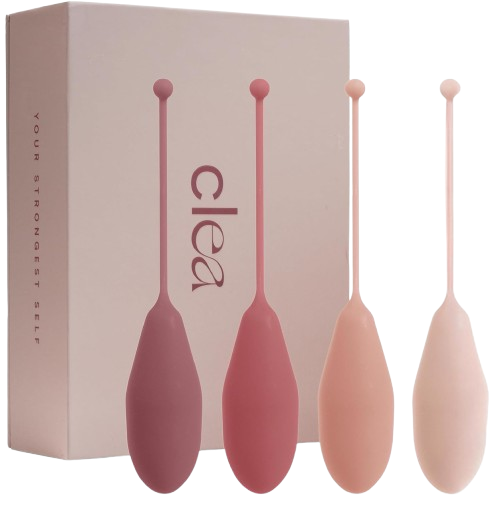
4. Clea Pelvic Floor Muscle Trainer | Beginner-Friendly Option for Pelvic Floor Exercisers
Pros
- Four different weights
- Includes exercise guides
- Comfortable silicone material
- Easy to clean
- Beginner-friendly
Cons
- No specific safety certifications
- Issues with packaging
- May not suit advanced users
- Limited user reviews
- No vibration feature
Clea Pelvic Floor Muscle Trainer Set | $42
The Clea Pelvic Floor Muscle Trainer Set offers a straightforward and accessible way to enhance pelvic floor health, particularly for beginners. This non-electrical set includes four kegel weights made from smooth, BPA-free, medical-grade silicone, providing both comfort and safety during use. With its gradual weight progression, users can start at a manageable level and build strength over time. At $42, it’s a budget-friendly option that doesn’t compromise on quality. The set also features a QR code linking to helpful exercise guides and videos, making it simple to incorporate into daily routines. Many users highlight its effectiveness in improving bladder control and pelvic strength, praising the soft, ergonomic design. While the set has fewer reviews compared to other devices, feedback remains positive overall, with only occasional mentions of packaging issues. If you’re seeking an easy-to-use, affordable, and reliable pelvic floor exerciser, the Clea set is worth considering.
The Clear Winner: Why Perifit Stands Out
After testing and ranking the top pelvic floor exercisers, the Perifit Care+ Pelvic Floor Exerciser emerges as the standout choice. Combining affordability, innovation, and effectiveness, Perifit offers a gamified experience that turns pelvic floor exercises into an engaging, motivating activity. Unlike traditional tools, Perifit’s app-driven approach provides real-time biofeedback and personalized training plans, making it suitable for beginners and experienced users alike. It scored top marks across all categories, offering exceptional value for money while maintaining a lightweight, easy-to-clean design. Whether you’re navigating postpartum recovery or enhancing your pelvic health, Perifit’s fun, effective, and interactive method sets it apart from the competition. While others might offer unique features like vibration or light therapy, Perifit excels in delivering long-term results with an engaging twist. Ultimately, if you’re looking for a pelvic floor exerciser that’s both affordable and effective, the Perifit is your perfect match. Ready to level up your wellness? This game-changing device has you covered.
]]>In this guide, we’ll break down how to spot the early signs of perimenopause and how you can find drug-and-hormone-free relief through lifestyle changes, natural remedies, and even innovative products designed specifically for women in this transitional period. Whether you’re just starting to notice changes in your body or you’re already deep into the perimenopausal phase, this guide will help you take the next steps toward feeling your best again.
What is Perimenopause?
Perimenopause is the phase leading up to menopause. It typically starts for women in their 40s and can last anywhere from a few months to several years. During this time, your body’s hormone levels—specifically estrogen—begin to fluctuate, which causes a wide range of symptoms. It’s important to know that perimenopause is a natural part of aging, and while the symptoms can be challenging, there are plenty of natural ways to manage them.
Common Perimenopause Symptoms: What to Look For
Knowing the symptoms of perimenopause is the first step in managing this transition. Since symptoms can vary greatly from woman to woman, it’s important to keep an eye on how your body is feeling. Here are some of the most common perimenopause symptoms and natural remedies to consider:
Irregular Periods
One of the first signs that you might be entering perimenopause is a change in your menstrual cycle. Periods might become heavier or lighter, and the time between them might get shorter or longer. In my case, I remember noticing that my cycle began to shift, and I started keeping track of it. It was confusing at first, but it helped me realize that my body was going through changes. If your period is off track, it could be an indicator of perimenopause.
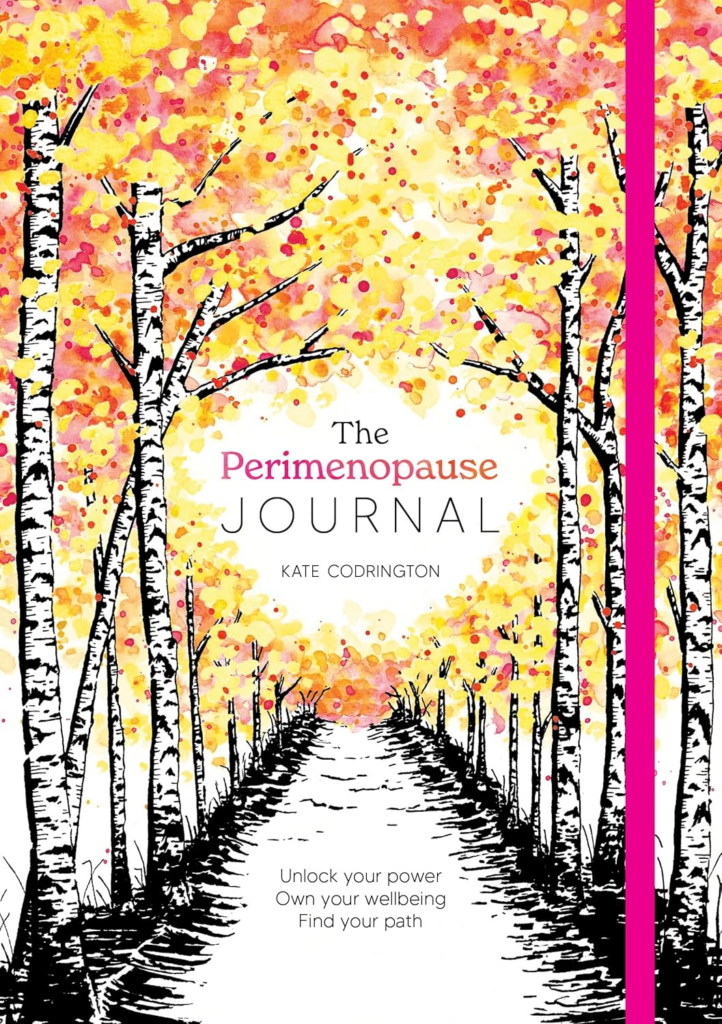
Natural Relief: Keeping a journal, such as the beautifully-illustrated Perimenopause Journal by Kate Codrington allows you to set intentions, track your symptoms each cycle and help you navigate through the chaos of declining hormones. Writing down your experiences can provide clarity, helping you recognize patterns in your mood, energy levels, and physical symptoms. It also serves as a safe space for self-reflection, encouraging mindfulness and emotional processing during this often unpredictable phase. I only wish I knew about it when I started experiencing perimenopause symptoms, but alas, it’s never too late to start prioritizing your well-being and understanding your body better, as the insights gained can still be invaluable for future health journeys.
$22.99
Hot Flashes and Night Sweats
Hot flashes are often the hallmark of perimenopause symptoms, and I can’t tell you how many women I’ve spoken to about the overwhelming heat that hits unexpectedly. A hot flash might make you feel like you’re suddenly overheated, even in cool environments, often followed by night sweats that can disrupt your sleep. There’s nothing quite like waking up drenched in sweat at 3 a.m., but there are ways to reduce the discomfort.
Natural Relief: Black Cohosh Tea is a well-known natural solution for easing hot flashes. Discovered more than two centuries ago by Native Americans, this herb has been used to settle both menstrual cramps, and physical menopausal symptoms. If the herbs don’t cut it, products like the Ranvoo Aice Lite are designed to target this very issue. This cooling device can help you manage hot flashes by providing relief in real time, with cold superconducting plates to cool your skin and help you feel more comfortable during those sudden temperature spikes. It’s a small but mighty device that can make a huge difference when hot flashes strike.
$219.00
Mood Swings and Irritability
Changes in hormone levels can significantly affect your mood, causing irritability, anxiety, or even sadness. One minute you might feel on top of the world, and the next, you’re in tears over a minor issue. These mood swings are common during perimenopause, and they’re completely normal. For me, my irritability was the first thing that clued me in. It wasn’t my typical self, and I knew something was going on hormonally.
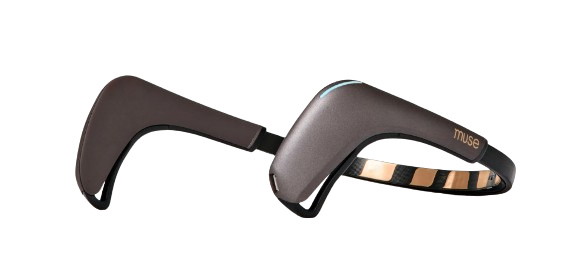
Natural Relief: Sometimes, you just need to hit the reset button. Ashwagandha extract is widely known for its calming and mood-stabilizing effects. It lowers cortisol, also known as the “stress hormone”, helping to reduce anxiety, mood swings and irritability. Diffusing lavender in your bedroom or adding a few drops to your pillow at night can also help calm your nerves and improve your emotional balance. If you’re still struggling with your emotions, tools like the Muse 2 guided meditation headband can be a game-changer. It helps you center yourself by providing real-time biofeedback that lets you track your relaxation progress. It’s an easy way to calm your mind, even when perimenopause seems to be throwing all sorts of emotions your way.
249.99
Sleep Disruptions
And let’s not forget sleep disturbances. You may find yourself waking up at 3 AM pondering life’s biggest mysteries: Why do socks disappear in the dryer? Does anyone really need that many throw pillows (answer: YES)? Is AI plotting against us? If you find that you’re waking up multiple times during the night or having trouble falling asleep, you’re not alone. Hot flashes can disrupt sleep, but even if you’re not experiencing those, the hormonal shifts alone can lead to restlessness.
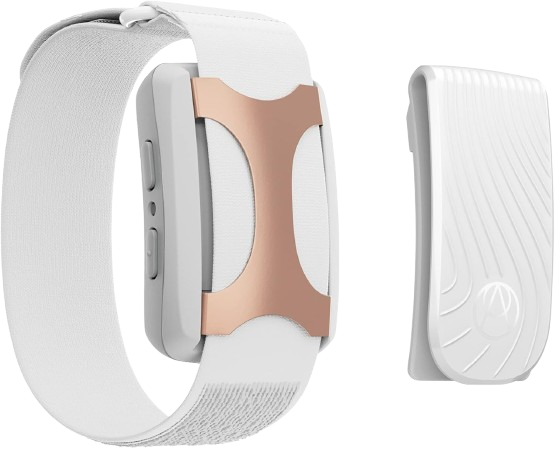
Natural Relief: To naturally support your sleep, consider sipping on a warm cup of lemon balm tea before bed. Lemon balm increases GABA activity, a neurotransmitter that promotes relaxation and reduces nervous tension. Valerian root is another natural option often used for its calming effects and ability to improve sleep quality. Not effective? This is where products like the Apollo Neuro Sleep Aid come in. This wearable device uses gentle vibrations to help regulate your nervous system and promote better sleep. It’s a non-invasive solution that can support your body in winding down and achieving a restful night’s sleep.
$349.99
Brain Fog and Memory Issues
Another common perimenopause symptom that often gets overlooked is brain fog. One moment, you’re confidently striding through life, and the next, you’re staring blankly at your phone, convinced it’s playing hide-and-seek (Spoiler alert: It was in your hand the whole time!). You might find yourself forgetting why you walked into a room or struggling to recall that one friend’s name who always seems to pop up at parties.
Natural Relief: While brain fog may feel like an uninvited guest during perimenopause, there are ways to clear it out. Ginkgo biloba is a herb known for its cognitive benefits, and some studies suggest it can improve memory and focus. Adding green tea to your routine is another natural solution. Rich in antioxidants, green tea can boost brain function while keeping you alert. Pairing this with light mental exercises or mindful practices that assist with relaxation and stress reduction can provide relief. Guided breathing products can also be incredibly effective, such as the The Breather, promotes mindfulness and relaxation through belly breathing, strengthens both inspiratory and expiratory muscles for better respiratory health and is backed by studies showing a myriad health benefits like better sleep and reduced lung age.
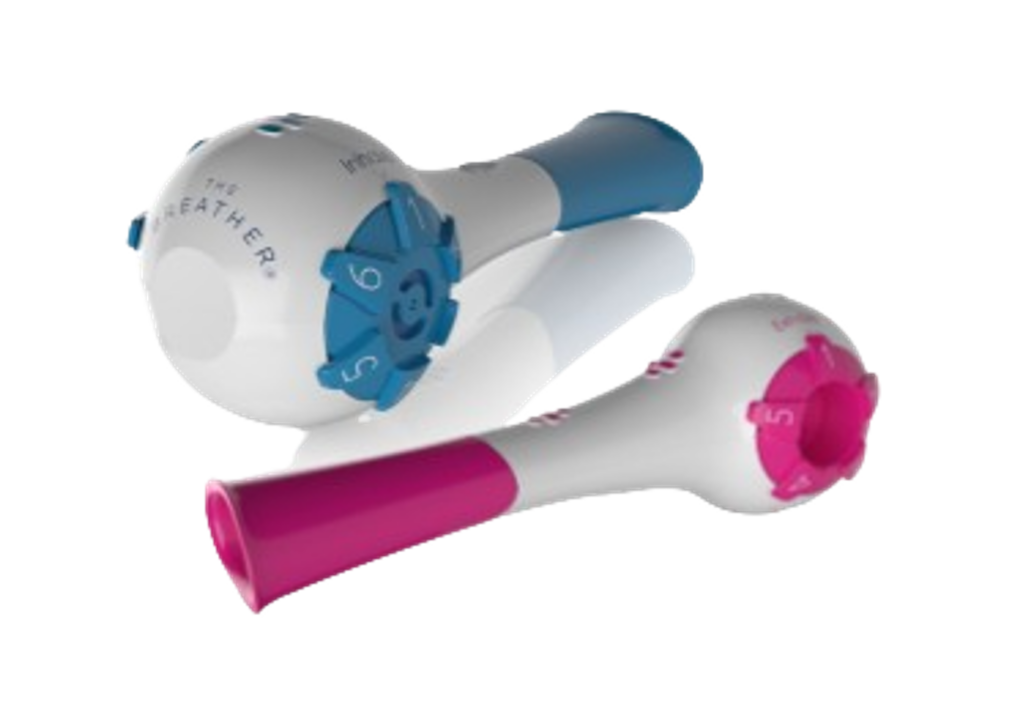
Diaphragmatic Breathing Trainer
$49.95
Vaginal Dryness and Pelvic Health
One of the perimenopause symptoms that often doesn’t get enough attention is vaginal dryness. Lower estrogen levels can lead to discomfort during intimacy, and pelvic floor muscles can weaken, leading to other issues like urinary incontinence. It’s essential to know that this is completely normal, even during perimenopause.
Natural Relief: To combat vaginal dryness, try incorporating vitamin E supplements or using natural coconut oil as a lubricant. Pelvic floor exercises, like Kegel exercises, can also help strengthen muscles in this area and improve overall pelvic health. The Joylux vFit, touted as revolutionary by menopause queen, Halle Berry, is a product designed to promote pelvic floor health and combat vaginal dryness. This smart device uses light therapy and gentle stimulation to support pelvic health. It’s an excellent option to keep in mind if you’re experiencing these symptoms and want to take a more holistic approach to pelvic care.
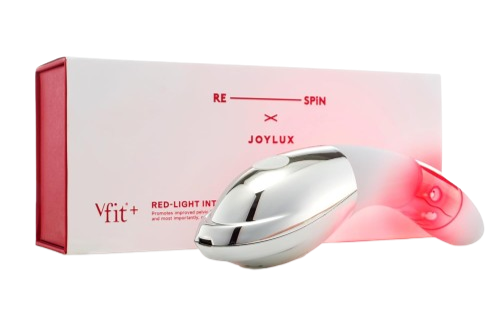
$400
How to Spot Perimenopause Symptoms Early
It’s important to keep track of any changes you’re noticing. The earlier you identify perimenopause symptoms, the easier it will be to manage them. I highly recommend keeping a journal or using a tracking app to record things like your period cycle, hot flashes, sleep patterns, and mood swings. Tracking will help you spot trends and allow you to better communicate with your healthcare provider.
Also, don’t hesitate to talk to your doctor about blood tests that can confirm whether you’re in perimenopause. These tests measure hormone levels and can give you a clearer picture of what’s going on in your body. One great option for this is the Proov Empower Perimenopause Test Kit. This home test is designed to detect hormonal shifts and can help confirm whether you are entering perimenopause. It gives you personalized insights that can be helpful in understanding your specific stage of this transition. Taking this test can give you more confidence in tracking your symptoms and speaking with your healthcare provider about next steps.
Finding Relief from Perimenopause Symptoms
While it might seem overwhelming, small changes in your daily routine can make a huge difference in how you feel during perimenopause. Exercise, for example, is a great way to improve mood, manage weight, and get better sleep. Whether it’s a brisk walk, yoga, or strength training, staying active can significantly reduce many of the symptoms of perimenopause. Additionally, a healthy diet can help balance hormones and support overall well-being. Focus on eating nutrient-dense foods like leafy greens, whole grains, and healthy fats to nourish your body.
While most symptoms of perimenopause are manageable with lifestyle changes and supportive products, it’s important to consult with a healthcare provider if symptoms become severe. If you’re dealing with extreme mood swings, heavy periods, or sleep disturbances, your doctor can guide you toward additional treatments, including hormone therapy or non-hormonal options.
Embrace Perimenopause with Confidence
Perimenopause is a natural transition, but that doesn’t mean you have to face it alone. By recognizing perimenopause symptoms early, adopting a healthy lifestyle, and utilizing innovative drug-free solutions and supplements mentioned above, you can manage this time in your life with confidence. The key is to listen to your body and take small steps to ensure your comfort and well-being.
Remember, you’re not just surviving perimenopause—you’re thriving. With the right support and the right tools, you can embrace this stage of life with ease and positivity. Take it one step at a time, and know that you have options for relief every step of the way.
]]>